A pipeline can lose throughput for months before anyone notices. The benefits of pigging start exactly there: catching deposits before they cost you flow.
Pigging, or in-line cleaning, sends a device called a pig through the line to remove scale, paraffin, sludge and other debris. Without regular pigging, pipelines suffer performance loss, blockages and rising pressure.
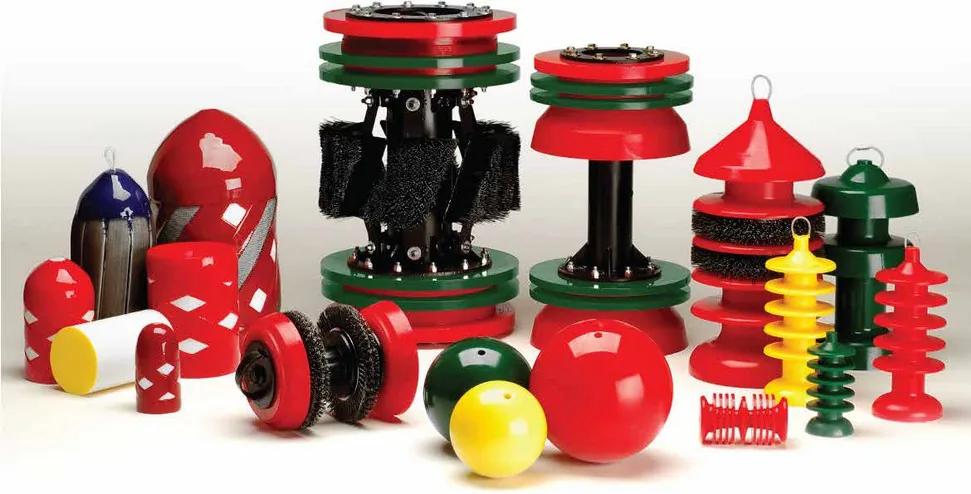
Types of Pigs
- Foam pigs: flexible, so they pass multi-diameter lines and sharp bends.
- Brush pigs: steel or nylon brushes remove scale and light corrosion.
- Mandrel pigs: replaceable cups and discs suit many campaigns.
- Gauge pigs: they detect dents or restrictions inside the line.
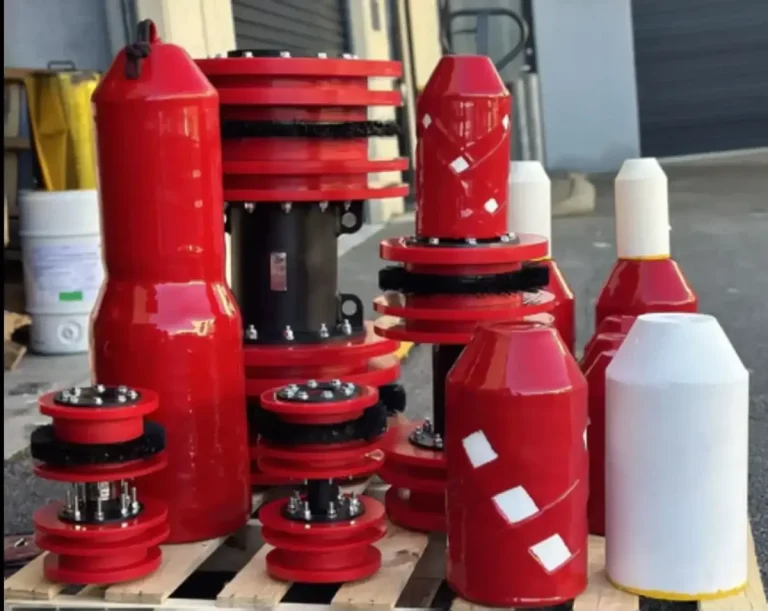
- Heavy-duty pigs: for example, Girard Turbo-Magnum and Turbo-Flex for tough cleaning.
The Key Benefits of Pigging
- Lower pressure drop
- Better pumping efficiency
- Less internal corrosion
- Cleaner product quality
- Easier commissioning and decommissioning
When Should You Pig a Pipeline?
Most operators pig during commissioning, on a routine maintenance schedule and before any in-line inspection. In addition, a pig run makes sense after a product change or whenever pressure drop starts creeping up. Because every line is different, the right frequency depends on product, flow rate and deposit history. As a rule, a short trial programme with careful records quickly shows the ideal interval.
Getting the Most from the Benefits of Pigging
Choose the pig to match the deposit, track every run and record what comes out. Consequently, each campaign tells you more about the line. For industry guidance, visit the Pigging Products and Services Association.
We supply Girard cleaning pig range and run complete pipeline pigging services. Before inspection, a clean line also helps tools such as Novitech MFL inspection deliver better data.
Is pressure creeping up on one of your lines? Request a technical assessment We will recommend the right pig and schedule.