How often should a line be pigged? Engineers ask this question more than any other about cleaning programs, and the honest answer is that the right pigging frequency depends on the line. However, you can still set a sensible starting point and then adjust it with evidence. This guide shows you how.
A fixed calendar interval copied from another asset rarely works. Two pipelines of the same diameter can behave very differently because the product, the flow and the history differ. So instead of quoting a number, we explain what drives the interval and how to tune it.
Why There Is No Universal Pigging Frequency
Pigging removes material that settles or sticks inside the pipe. As a result, the interval depends on how fast that material builds up. If deposits accumulate slowly, frequent runs add cost without much benefit. On the other hand, if deposits build quickly, long gaps let them harden and make the next run riskier.
In addition, the purpose of each run matters. A line that is pigged to remove liquids from a gas system follows a different logic than a line that is pigged to control wax or to prepare for in-line inspection.
Factors That Drive Pigging Frequency
Before you set an interval, review these factors for each line:
- Product type, because crude with wax behaves differently from dry gas or treated water.
- Deposits such as wax, scale, sand or water, since each one builds up at its own rate.
- Flow rate and velocity, because low flow lets solids and liquids settle in low spots.
- Temperature, for example when crude cools below its wax appearance point along the route.
- Line history, so a line that has not been pigged for years needs a different plan from a clean one.
- Inspection plans, because an upcoming in-line inspection usually requires extra cleaning runs.
How to Set a Starting Interval
Start more frequently than you think you need. Then lengthen the interval as the data allows. This approach is safer because a short gap keeps deposits soft and easy to remove. In contrast, starting with long gaps can let deposits harden and raise the chance of a stalled pig.
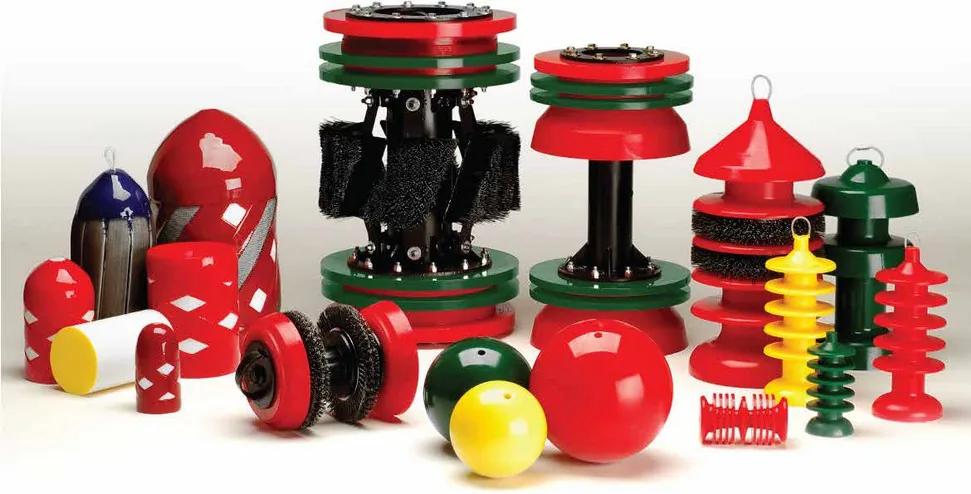
For a line with an unknown or poor history, begin with a progressive approach. First run a light foam pig, then step up gradually to more aggressive pigs. Girard Polly-Pigs, for example, come in light, medium and heavy densities, and the Yellow Bare Swab is designed for line proving and drying.
Adjust Pigging Frequency With Debris Returns
The receiver tells you whether the interval is right. Therefore, record what comes out after every run and trend it over time. Useful data points include:
- The volume or weight of debris, so you can see whether it rises or falls between runs.
- The type of debris, for example soft wax, hard scale, sand or liquid slugs.
- The condition of the pig, because heavy cup wear or damage signals a problem in the line.
- Run time and pressure behavior, since a slow run or a pressure spike can indicate a restriction.
If debris volume keeps falling and the pig arrives clean, you can usually extend the interval. However, if debris rises or turns harder, shorten the interval or change the pig type. As a result, the program improves with every run instead of staying fixed.
Choosing the Right Pig for Each Run
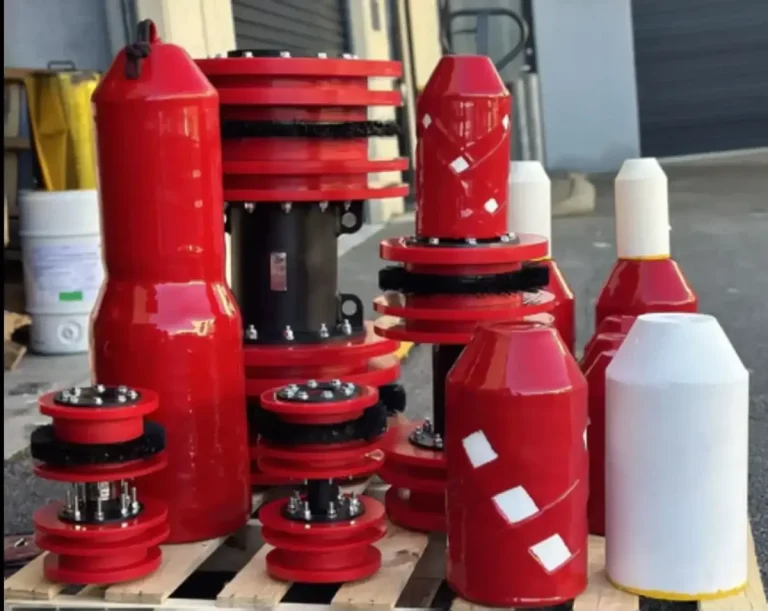
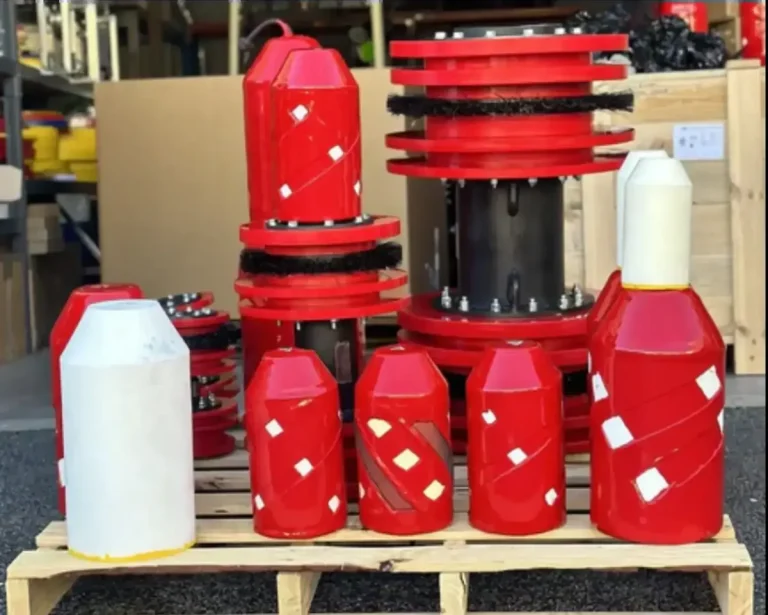
The pig type and the interval work together. For instance, a line that is pigged often may only need a medium-density foam pig or a cup pig. Meanwhile, a line with hard deposits may need brushes. Girard steel mandrel pigs can carry brushes, magnets, gauge plates and transmitter housings. In addition, the Turbo-Magnum one-piece polyurethane pig suits cleaning, batching and liquid removal in gas systems.
You can compare the main families in the Girard cleaning pig range that PT Saka Nusa Persada supplies. For background on why routine runs matter, read our article on the benefits of pigging for pipeline health.
Track Every Run to Protect Your Pigging Frequency Data
Good records need confirmation that the pig left the launcher and arrived at the receiver. Otherwise, a missing pig can go unnoticed until the next run. A non-intrusive ClampOn DSP PIG Detector clamps onto the outside of the pipe and senses a passing pig with passive acoustic technology. Consequently, operators can confirm each passage without hot work on an operating line.
For industry guidance and training on pigging practice, the Pigging Products and Services Association (PPSA) is a useful reference.
Practical Checklist
- Define the purpose of each run first, because cleaning, dewatering and inspection prep differ.
- Start with a short interval, then extend it only when debris returns support it.
- Log debris, pig condition and run time after every run, so trends become visible.
- Review the interval after process changes, for example a new well, a lower flow rate or a new product.
- Confirm launch and arrival, therefore no run goes unrecorded.
If you prefer support on site, our team also offers pipeline pigging services to help plan the program.
Not sure how often your line needs a pig? Request a technical assessment, and then we will review your line data and recommend suitable pig types and a starting program. Call +62 21 2953 8924, WhatsApp +62 817 730 198, or email info@sakanusapersada.id.
Featured image: Photo: Dietmar Rabich, CC BY-SA 4.0, via Wikimedia Commons (cropped).