A small-bore tie-in looks like a minor job on the drawing. On a live plant, however, welding a half-inch drain or an instrument connection can trigger the same permits, gas tests and fire watch as a major repair.
This guide explains why welded small-bore connections cost so much in operating facilities, and how LOKRING® mechanical fittings make the same joint with no heat. In addition, it walks through the installation steps, the inspection, and the cases where cold work is not the right answer.
What Counts as a Small-Bore Tie-In
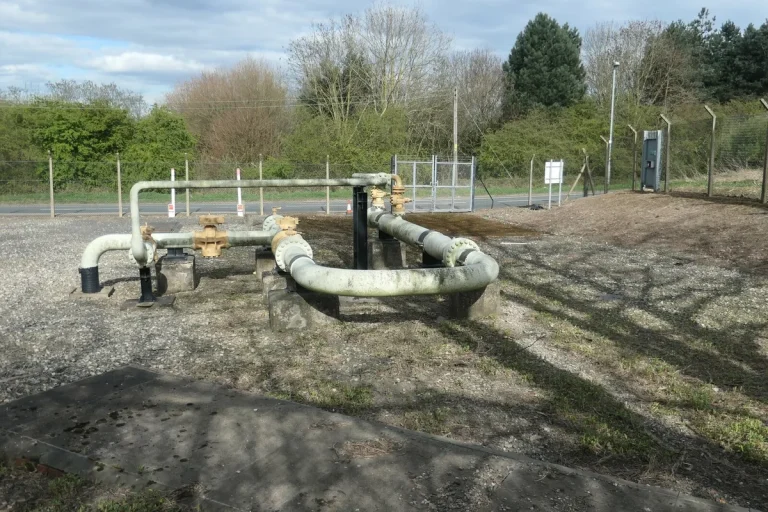
In most plants, small-bore piping covers the lines that keep the process running around the main headers. A tie-in connects a new or modified branch to one of these existing lines. Typical examples include:
- Instrument connections, for example a new pressure gauge or transmitter take-off.
- Drains and vents, especially when a modification adds a low-point drain or a high-point vent.
- Chemical injection lines, so an inhibitor or additive reaches a new injection point.
- Utility lines, such as instrument air, hydraulic, water or fire water branches.
Why Welding a Small-Bore Tie-In Costs So Much
The weld itself takes little time. The work around it, in contrast, can take days. Welding creates an ignition source next to hydrocarbons, therefore every site controls it tightly.
- Hot work permits, because each job needs its own approval and risk review.
- Gas testing, so the area must be proven gas-free before and during the work.
- Shutdown or isolation, since nearby equipment may have to stop or drain.
- Fire watch, which keeps a trained person on duty throughout the job.
- NDT after welding, for example radiography before the line returns to service.
As a result, a connection that takes minutes to make can wait a long time for a work window. We cover the permit side in more detail in our article on alternatives to a hot work permit.
How a LOKRING Joint Replaces the Weld
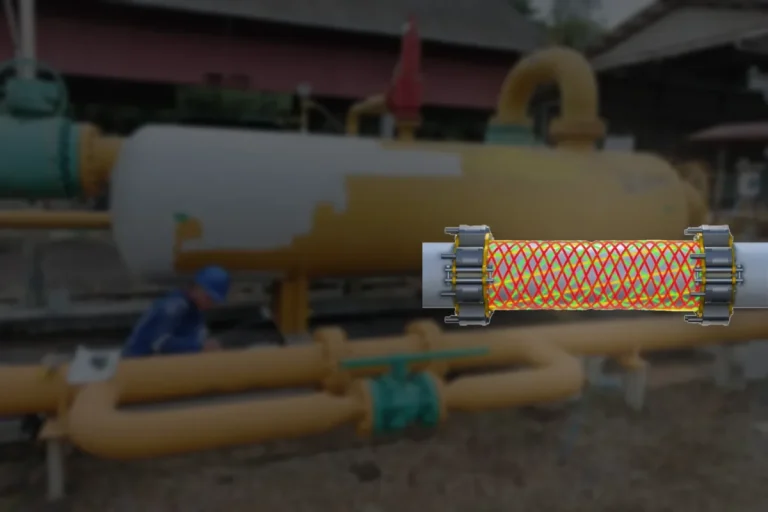
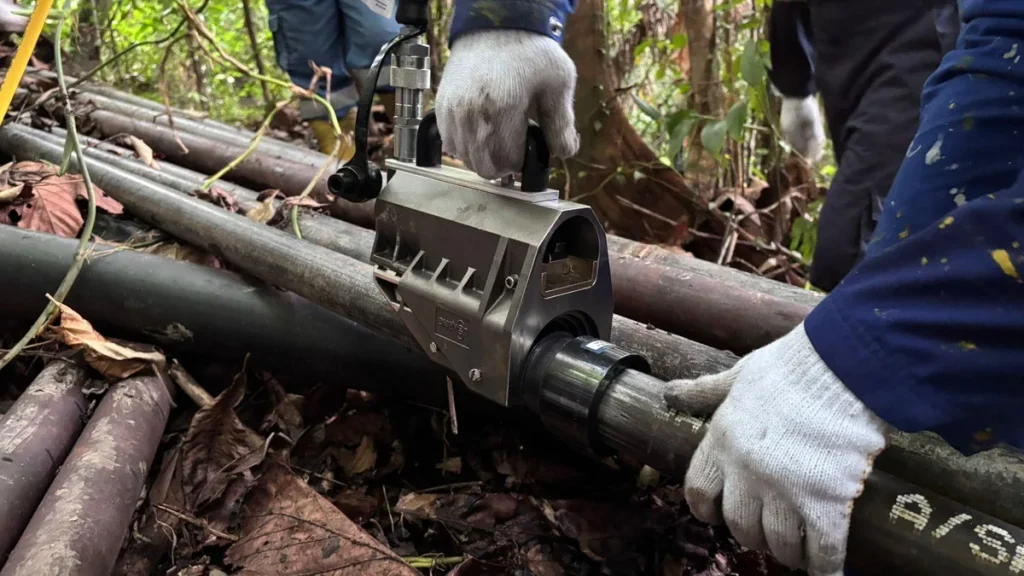
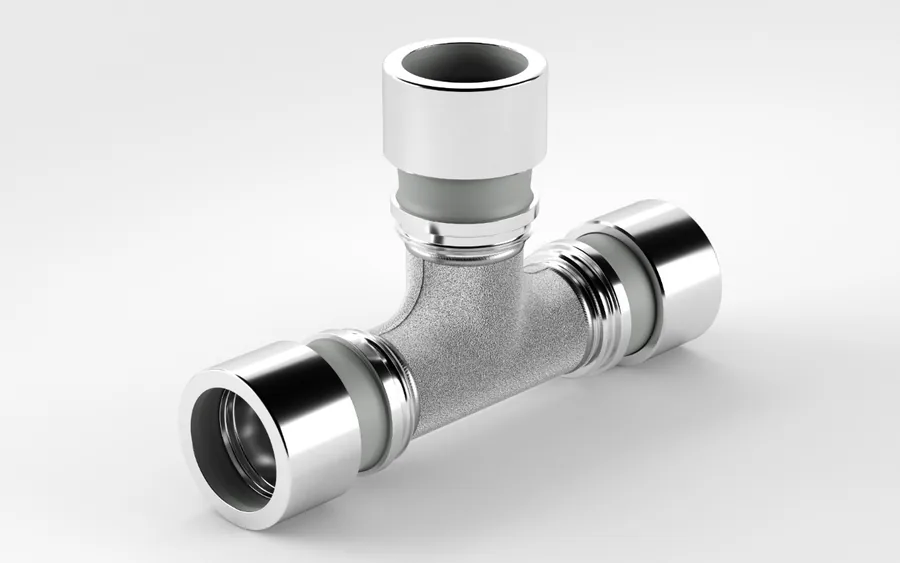
Every LOKRING® joint relies on Elastic Strain Preload (ESP®). First, the pipe end goes into the fitting body. Then the installation tool drives the driver ring forward, and the ring swages the fitting body onto the pipe. This creates a 360° circumferential, metal-to-metal seal.
Because the seal stays under elastic preload for the life of the connection, the joint is permanent and tamper-proof. In other words, it performs as a weld equivalent without ever heating the pipe. Moreover, no flame, arc or purge gas appears at any stage.
| Size range | 1/4 to 3 Inch NPS, so it covers typical small-bore work |
| Materials | Carbon steel, low-temperature carbon steel, stainless steel, copper nickel and brass |
| Design pressure | Ratings reach up to 8,810 psi |
| Temperature range | −60 °C to +425 °C |
| Qualifications | ASME B31.1, B31.3, B31.4, B31.5, B31.8 and B31.9, in addition to the API 607 fire test |
| Inspection | Visual inspection, therefore no radiography or other NDT |
Small-Bore Tie-In Installation Steps
Cold work removes the ignition source, but it does not remove good practice. The line you cut into must still be isolated, drained and depressurized under the normal cold-work permit. The rest of the plant, however, keeps running. Our field crews follow this sequence:
- First, a site survey checks the pipe material, size, condition and access.
- Next, the team selects the fittings and the matching installation tool.
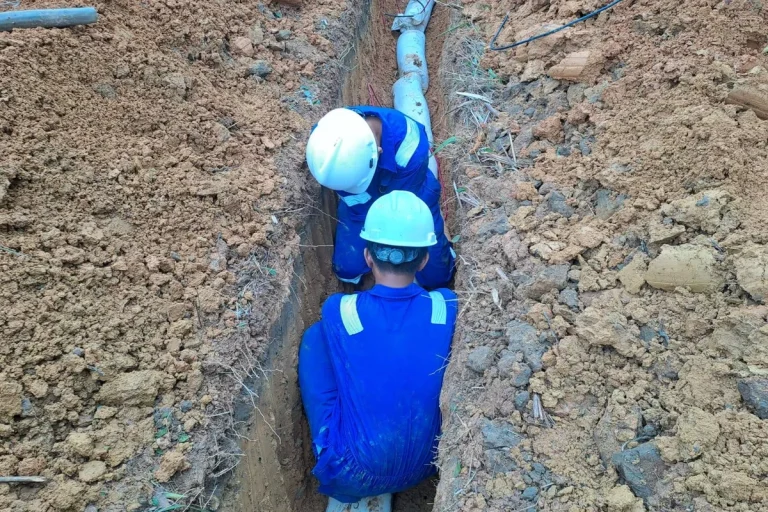
- Then, the crew cold-cuts the pipe and prepares the surface, so the fitting seats on clean, sound metal.
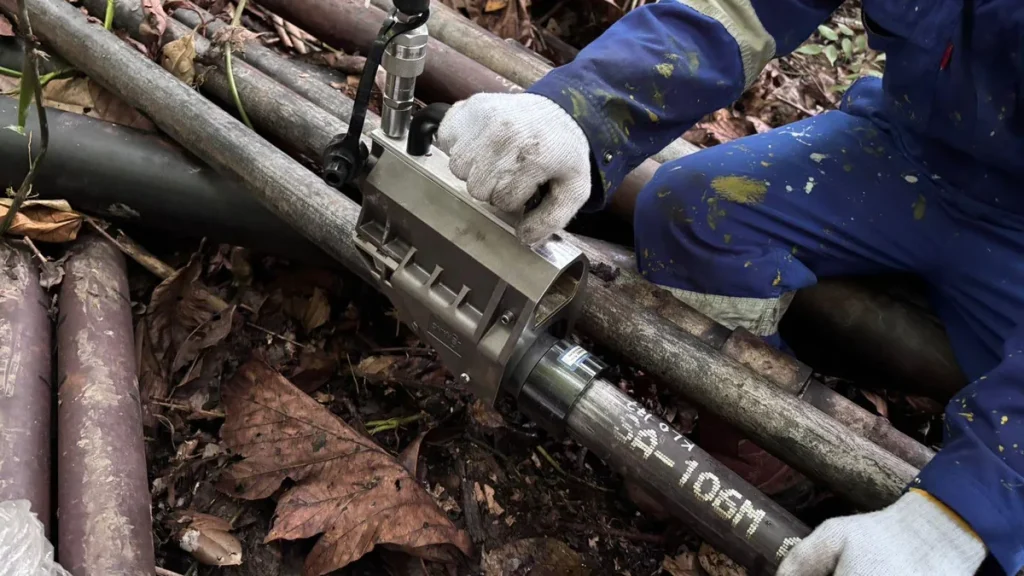
- After that, the installer swages each fitting onto the pipe with the tool.
- Finally, the joint goes through pressure testing, QA/QC, documentation and handover.
Inspecting the Joint
A welded small-bore tie-in usually waits for NDT before handover. With LOKRING®, in contrast, a visual inspection verifies each joint. Inspectors confirm that the installation is complete, and the pressure test then proves the whole tie-in. Consequently, quality control is simple and fast, and the line returns to service sooner.
Where Cold Work Fits and Where It Does Not
Mechanical fittings solve many problems, but not every one. Therefore, check each job against the limits before you plan it.
- Good fit: instrument, drain, vent, injection and utility tie-ins, because they fall within the size range.
- Good fit: fire-hazardous or congested areas, especially where a welding crew cannot work safely.
- Good fit: replacement of corroded small-bore spools, so the plant avoids an extended shutdown.
- Not a fit: pipe larger than 3 Inch NPS, since the range stops there.
- Not a fit: service outside the rated pressure, temperature or material list.
- Check first: heavily pitted pipe ends, because the seal needs a sound surface.
- Check first: company specifications that still require welded joints for a given service.
Planning Your Next Small-Bore Tie-In
Start with a list of the pending tie-ins and the reason each one still waits. Often, the answer is the hot work window. For those jobs, PT Saka Nusa Persada supplies LOKRING coldweld fittings and provides a complete LOKRING installation service, from site survey to handover. You can also browse the manufacturer range at LOKRING Technology.
Have tie-ins waiting for a hot work window? Request a technical assessment We will check which ones can go ahead with cold-work fittings.