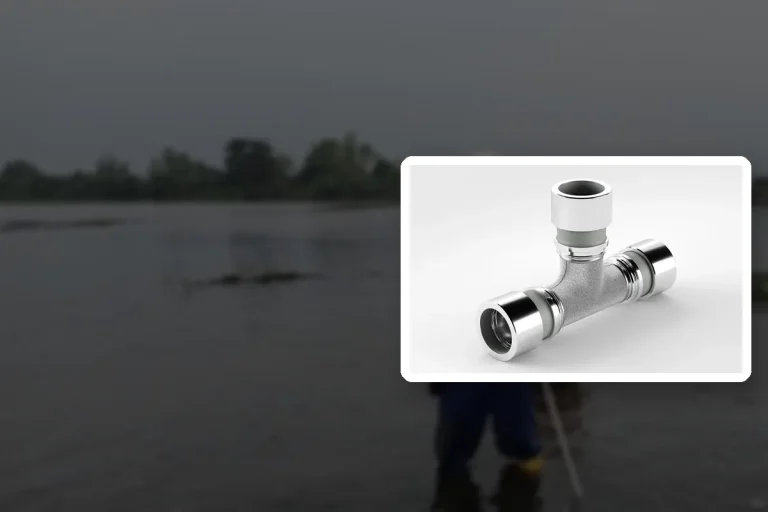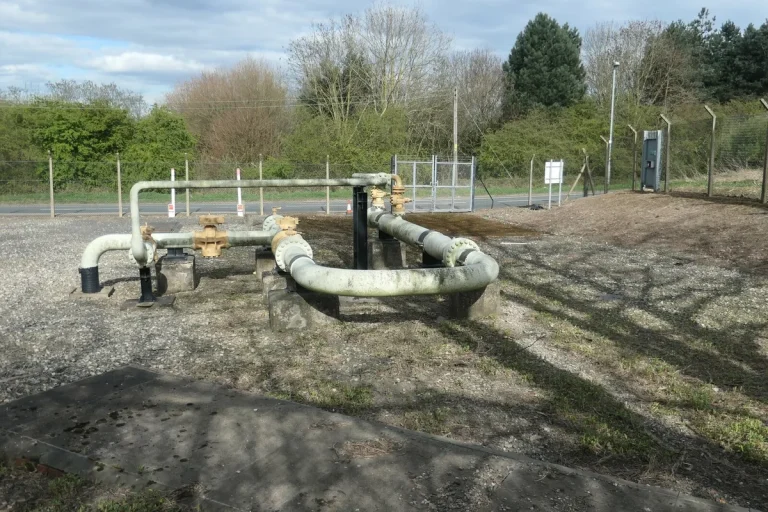
Every hot work permit on a live plant starts a chain of gas tests, isolations, fire watches and waiting time. For small-bore piping, however, a cold-work connection can often remove the need for welding altogether.
This article looks at why hot work is so costly in operating facilities, which jobs still need it, and where a mechanical cold connection is the safer choice. In addition, we show how one project at Pertamina EP solved the problem in a space too tight for a welding crew.
Why a Hot Work Permit Slows Everything Down
Welding, grinding and cutting create ignition sources. In a refinery, gas plant or offshore platform, that risk sits next to hydrocarbons. Therefore, sites control hot work tightly: the area must be gas-free, nearby equipment may need isolation, and a fire watch stays on duty before, during and after the work.
Each of those steps protects people, but each also takes time. As a result, a small repair can wait days for the right window, or it may need a partial shutdown that costs far more than the repair itself.
- Gas testing and isolation, because the work area must stay free of flammable gas.
- Fire watch, so a trained person must stay on duty throughout the job.
- Shutdown windows, especially when the line cannot be cleared while running.
- Post-weld inspection, for example radiography or other NDT before handover.
What a Cold-Work Connection Changes
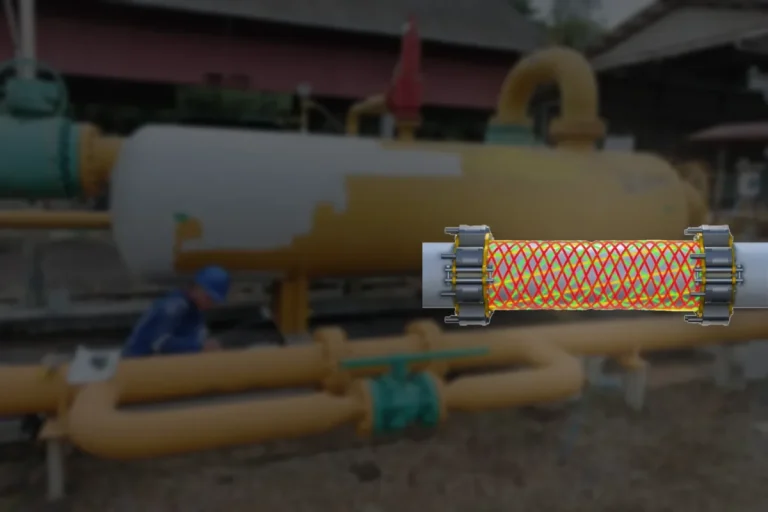
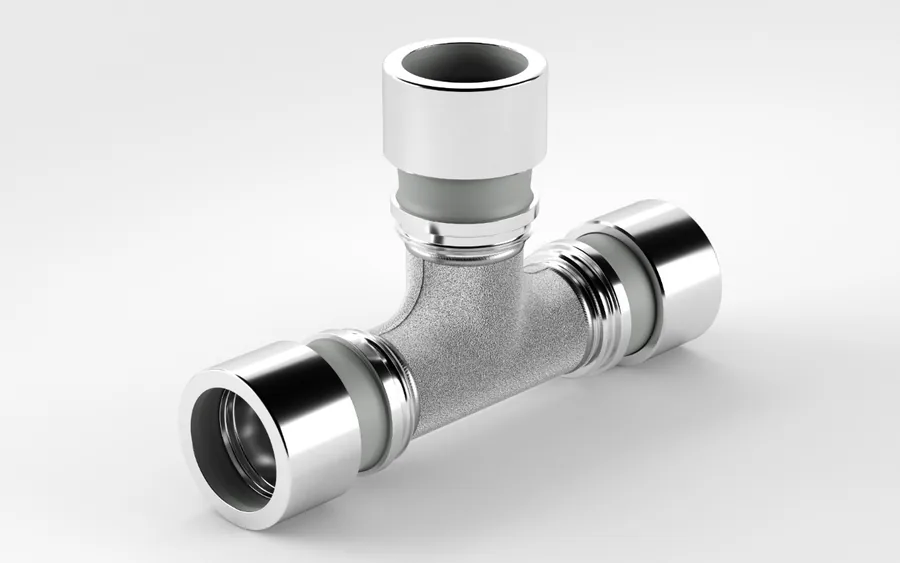
A cold-work connection joins pipe mechanically, with no heat at all. The LOKRING® system, for instance, uses Elastic Strain Preload: a driver ring swages the fitting body onto the pipe and creates a 360° metal-to-metal seal. Because the seal stays under elastic preload for the life of the joint, the connection is permanent and works as a weld equivalent.
Without a flame or an arc, the joint creates no ignition source. Consequently, crews work with a hand tool instead of a welding set, and a visual inspection replaces radiography.
When You Can Avoid a Hot Work Permit
Cold work is not the answer to every job. However, it fits a large share of small-bore work in operating plants. According to the manufacturer data on our product page, LOKRING® fittings cover 1/4 to 3 Inch NPS and carbon steel, low-temperature carbon steel, stainless steel, copper nickel and brass.
| Good fit | Small-bore tie-ins, instrument air, hydraulic, utility and fire water lines |
| Good fit | Replacement of corroded small-bore spools, so the plant keeps running |
| Good fit | Fire-hazardous areas where hot work is restricted |
| Check first | Lines outside the qualified size, material or rating range |
| Still welding | Large-diameter pipe, because the fittings stop at 3 Inch NPS |
Codes, Ratings and Inspection
Engineers rightly ask whether a mechanical joint meets the same codes as a weld. The LOKRING® fittings are qualified to ASME B31.1, B31.3, B31.4, B31.5, B31.8 and B31.9, and they pass the API 607 fire test. Moreover, ratings reach 8,810 psi and cover −60 °C to +425 °C. Always confirm the exact rating for your size and material before you plan the job.
Example: No Hot Work at Pertamina EP
At Pertamina EP Zona 14 Klamono, PT Saka Nusa Persada replaced a carbon steel pipeline in an area with extremely limited access. There was little room for welding machines, worker movement or safety clearance. Instead of welding, the team used LOKRING® cold connections, so no fire watch or hot work permit was needed. You can read the full Pertamina EP project story.

How to Plan a Cold-Work Job
- First, list the lines, sizes, materials and design conditions involved.
- Next, confirm that each connection falls inside the qualified range.
- Then, survey the site, especially access, pipe condition and surface preparation.
- After that, select fittings and tools, and prepare the work pack with the site team.
- Finally, install, inspect visually and pressure-test according to the site procedure.
Our team supports every step through LOKRING installation services, and we supply the LOKRING coldweld fittings themselves. For an active leak that cannot wait, see our article on stopping a pipeline leak without shutdown. The manufacturer range is online at LOKRING Technology.
Planning small-bore work that would normally need a hot work permit? Request a technical assessment We will check whether a cold-work connection fits your line.