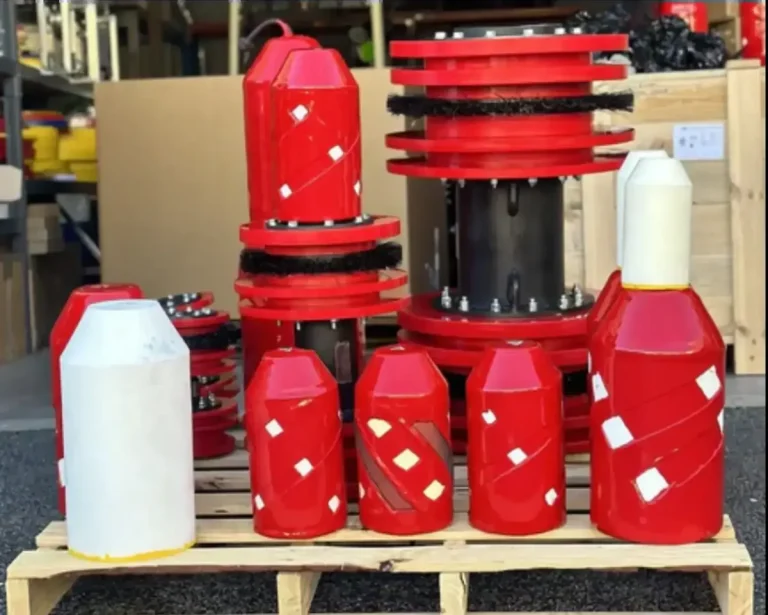
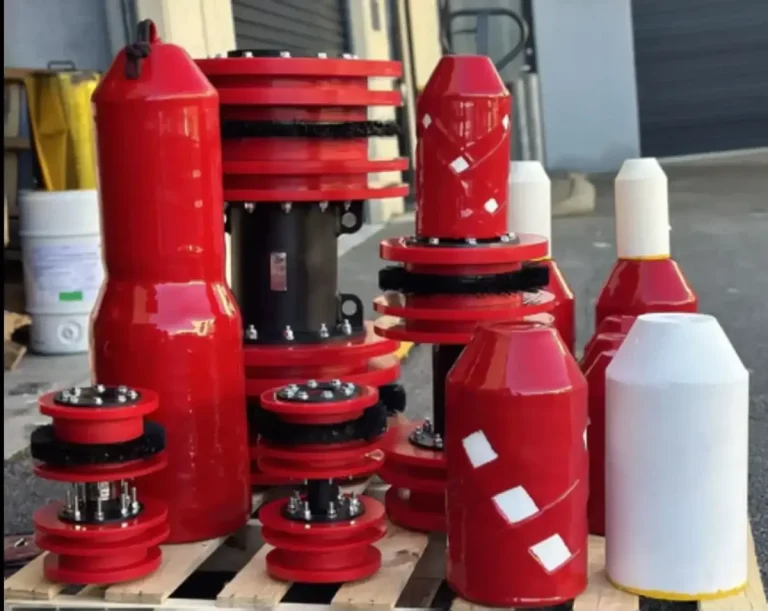
A leaking line forces a hard choice: shut down production or live with the risk. Fortunately, modern pipeline leak repair offers a third option.
Today, crews can seal many leaks online, while the pipe stays pressurised and the plant keeps running. As a result, operators protect people and the environment first, and then plan a permanent fix without pressure.
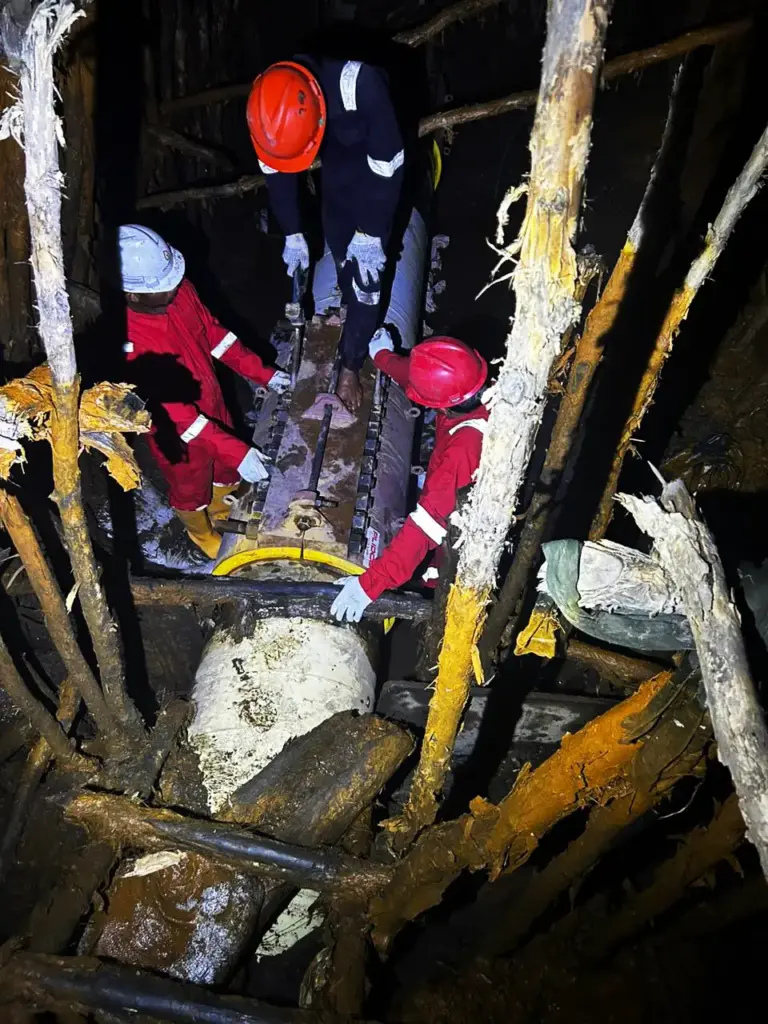
Three Proven Pipeline Leak Repair Methods
1. Belt-Type Leak Sealing Kits
A rubber sealing patch sits over the leak while a tension belt presses it tight. Because one technician can fit it quickly, it suits pin-holes and small corrosion leaks in an emergency.
2. Mechanical Clamps
Engineered clamps enclose the damaged area with a gasket. Therefore, they handle higher pressures, flange leaks and larger defects, especially when the clamp is designed for the exact pipe size.
3. Composite Wraps
After isolation or alongside a clamp, a composite wrap reinforces the wall and can turn a temporary repair into a long-term one.
Choosing the Right Pipeline Leak Repair
- Pressure and temperature: higher values usually call for an engineered clamp.
- Fluid: oil, gas, chemicals and produced water need compatible seals.
- Defect type: a pin-hole differs from a crack or a flange leak.
- Access: tight spaces favour light, quick-fit kits.
From Emergency Seal to Permanent Fix
An online seal buys time; however, it is not the end of the story. Next, plan a permanent solution such as composite reinforcement or a no-weld spool replacement with LOKRING. Meanwhile, record the repair for your integrity files. For repair standards, see ASME (ASME PCC-2).
Our emergency leak solution team often completes an online seal in 15–30 minutes, so production rarely needs to stop.
Dealing with a leak right now? Request a technical assessment, and then our team will advise you on the fastest safe pipeline leak repair.