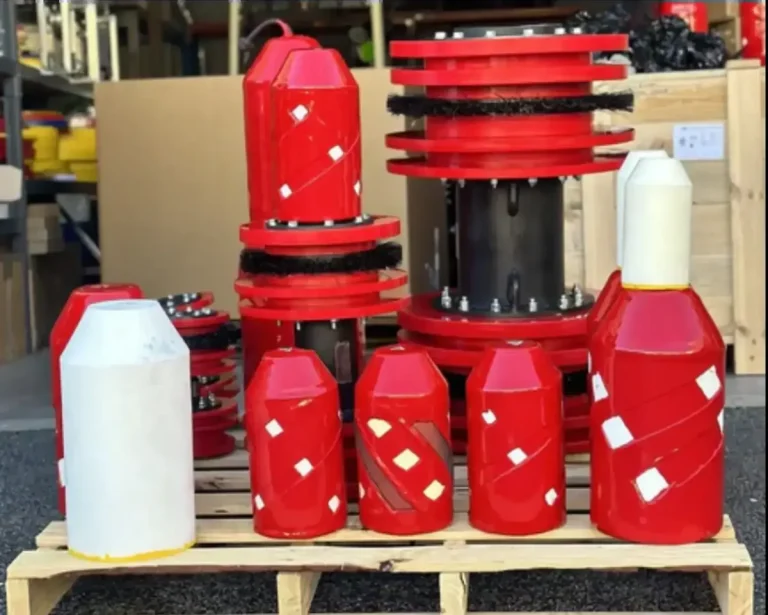
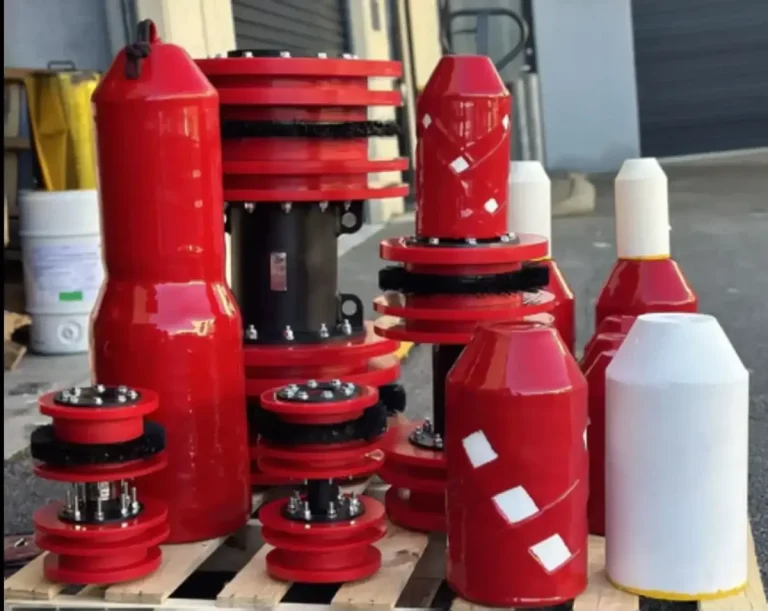
In oil and gas, every hour of downtime costs money. So what if composite repair technology could restore a corroded pipeline while it keeps running?
Composite repair technology wraps a damaged section with fibre-reinforced layers and high-performance resin. As a result, the pipe regains its strength without welding, cutting or a production shutdown.
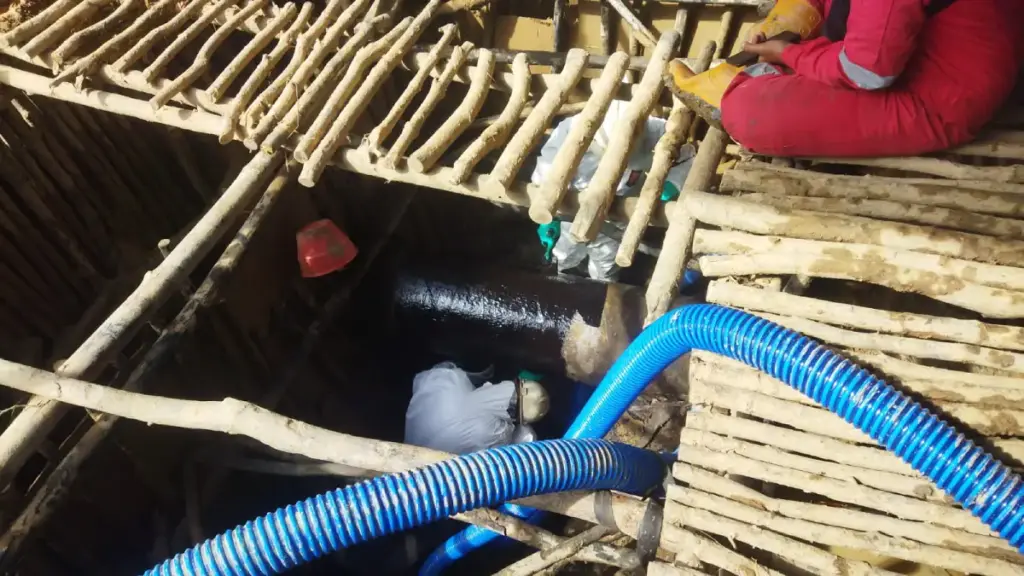
How It Works
First, the team measures the defect and calculates the laminate needed for the operating pressure and design life. Then, after surface preparation, technicians apply layers of glass, carbon or aramid fibre (such as Kevlar®) bonded with resin. Finally, the system cures and becomes a load-bearing sleeve around the pipe.
Why Composite Repair Technology Is Effective
- No shutdown required: many systems install while the line remains under pressure.
- Standards-based: designs follow ISO 24817 and ASME PCC-2, so results are auditable.
- Long service life: design lives of up to 20 years are common.
- Lightweight: unlike steel sleeves, composites add very little weight.
- Versatile: they handle corrosion, pitting, dents, gouges and, in some designs, through-wall defects.
Where It Fits Best
Composite repair works on oil, gas, water and chemical pipelines, as well as elbows, tees and risers. In particular, it shines where welding is unsafe or a shutdown would be expensive. However, every defect still needs an engineering assessment first, because depth, length and pressure decide whether a wrap is suitable.
Composite Repair or Replacement?
Replacement makes sense when damage is widespread or the line needs re-rating. Otherwise, a composite repair usually costs a fraction of replacement and keeps the asset online. For the governing standard, see ASME, publisher of ASME PCC-2.
Want to know how we apply it on site? Explore our composite pipeline repair service, or read about our emergency leak solution for active leaks.
Have a corroded section you would rather not cut out? Request a technical assessment, and then we will check whether composite repair technology suits it.